How to Clean Mud and Dirt Off Heavy Machinery Quickly
Removing mud from excavators, loaders and tractors is fastest when you loosen heavy deposits before pressure washing. Around Toowoomba and the Darling Downs, clay-rich soil can pack tightly into tracks, wheel arches and attachments. A structured clean reduces wasted water, makes inspection easier and helps prevent soil and weed seeds moving between properties.
Prepare the Machine and Wash Area
Park on a stable, designated wash area where sediment and wastewater can be captured. Lower attachments, apply the park brake, shut down the engine and follow the manufacturer’s isolation procedure. Allow hot components to cool before washing.
Never work beneath an unsupported attachment or enter a crush zone to remove mud. Wear eye protection, gloves and slip-resistant boots. Keep other people clear of pressure-washing operations, and check the machine’s manual for cleaning restrictions.
A Fast, Practical Cleaning Method
- Remove thick deposits first. Use a suitable scraper or shovel on accessible, robust surfaces. Avoid damaging hoses, wiring, seals and grease fittings. Collect loose soil rather than washing it into drains.
- Pre-soak stubborn mud. Apply a low-pressure rinse and let the water soften dried deposits. Repeat where necessary instead of immediately increasing pressure.
- Apply cleaner only where needed. For oily dirt, use a machinery-compatible detergent at the label dilution. Allow the recommended dwell time without letting it dry. Plain water is often sufficient for ordinary mud.
- Wash systematically. Work from upper surfaces downwards, then clean the undercarriage and attachments. Use a fan spray and the manufacturer’s recommended pressure and stand-off distance.
- Inspect and finish. Check hidden ledges, steps, track frames and guards for remaining soil. Allow the machine to drain and dry, then lubricate specified points according to the maintenance schedule.
Protect Sensitive Machinery Components
Do not direct high-pressure water into electrical connectors, control modules, air intakes, exhaust openings, bearings or hydraulic https://mariosvlo144.northstarcolumn.com/posts/should-you-seal-your-driveway-after-pressure-cleaning seals. Clean these areas using the method specified by the equipment manufacturer.
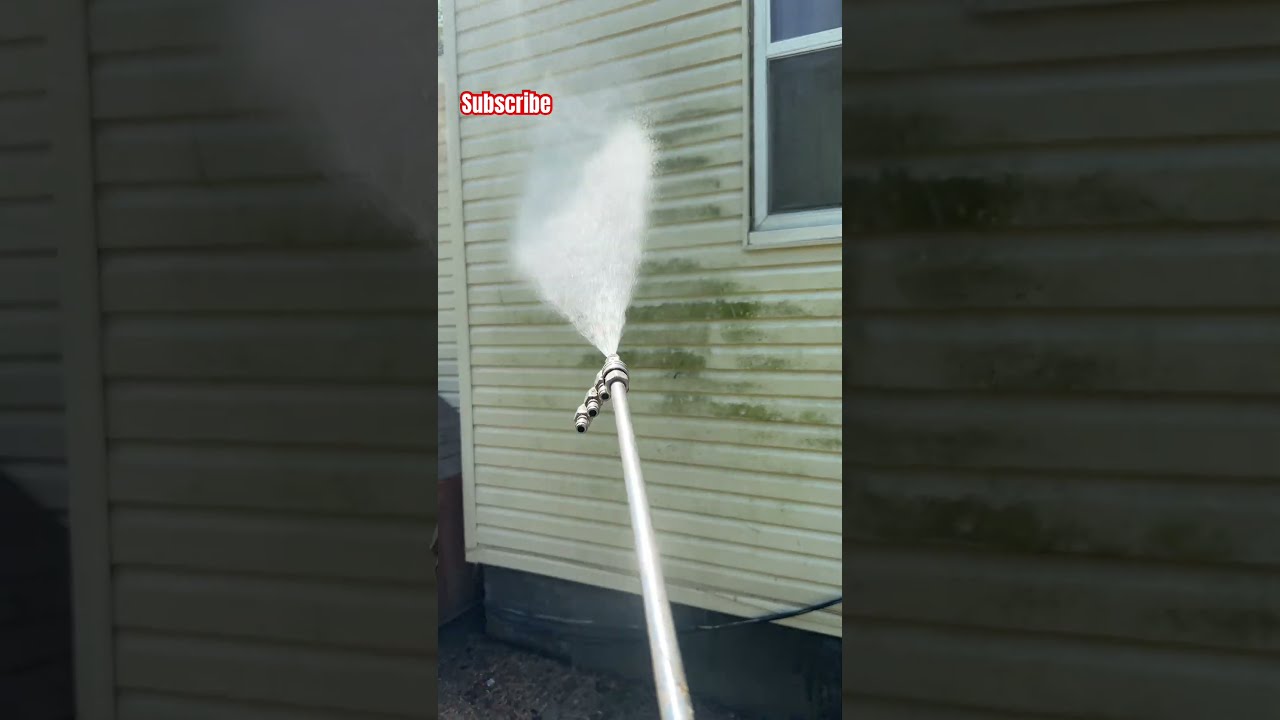
Radiator and cooler fins bend easily. Use gentle cleaning methods and follow the manual’s instructions for spray direction and pressure. If tracks or wheels must be repositioned to expose trapped mud, stop cleaning, clear everyone from the machine and have an authorised operator move it safely before isolating it again.
Contain Runoff and Reduce Biosecurity Risks
Keep wash water, sediment, oil and detergent out of stormwater drains and waterways. Use a suitable contained wash bay or capture system, and arrange disposal appropriate to the contaminants. Do not assume a biodegradable detergent makes runoff safe to discharge. Check current Toowoomba Regional Council requirements before disposing of wash water; sewer discharge may require trade waste approval.
Before moving equipment between farms or worksites, inspect soil traps for mud, seeds and plant material. Follow any property-specific clean-down requirements and applicable Queensland biosecurity obligations.
When Professional Machinery Cleaning Saves Time
Professional heavy machinery cleaning in Toowoomba is worth considering for heavily packed undercarriages, oily buildup or equipment that needs documented clean-down. Ask whether the provider supplies wastewater capture, uses manufacturer-appropriate methods and can access your site safely.
For routine maintenance, clean before mud hardens, remove bulk material first and inspect after every wash. This approach is usually faster and safer than relying on higher pressure alone.


Toowoomba Pressure Cleaning Pros
(07) 4646 4034